What the Current Oil Crisis Means for Lubricant Buyers Right Now
- PETRO DAWG

- Apr 16
- 2 min read
Updated: Apr 17
LubeNet helps buyers stay ahead of volatility with dependable sourcing and practical planning. Reach out before your next order becomes urgent.
The oil crisis is no longer some abstract headline sitting in the background. It is already affecting how industrial buyers think about supply, pricing, lead times, and risk.
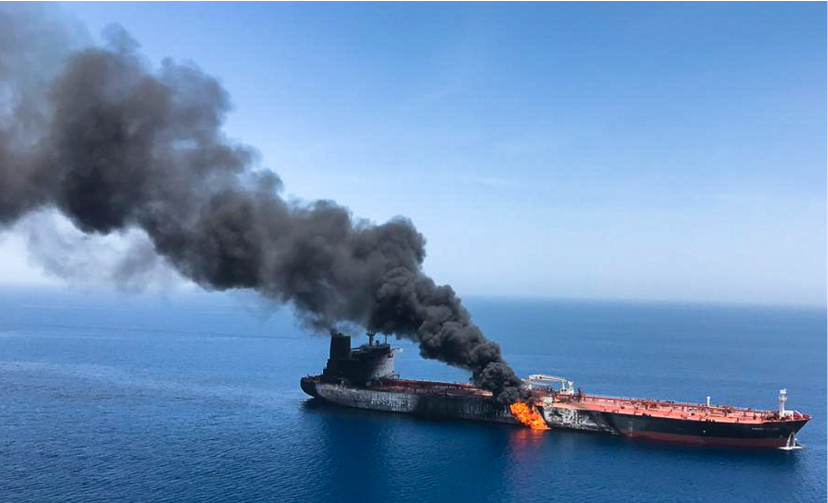
With oil flows through the Strait of Hormuz severely disrupted, the global market has been forced into a scramble for replacement barrels. That matters because when a major energy chokepoint gets jammed, the impact does not stop at crude. It spreads into freight, refining economics, fuel pricing, procurement behavior, and eventually into the broader ecosystem that supports lubricants, greases, and related industrial products. The International Energy Agency has already cut its 2026 outlook, saying global supply will shrink by 1.5 million barrels per day this year, while the market has moved from expecting a comfortable surplus to a much tighter balance.
For buyers, the mistake is assuming the problem only exists once shelves are empty. By then, you are late. The smarter move is to get disciplined now. Know your critical products. Verify your specifications. Identify what you cannot afford to substitute and what you can. Tight markets punish the unprepared first.
At LubeNet, we think supply resilience matters just as much as price. Anyone can chase the cheapest barrel in a calm market. The real value shows up when the market stops behaving.
If your operation depends on engine oil, hydraulic oil, gear oil, grease, or DEF, now is the time to review what you use, what you have on hand, and what your backup plan looks like. Waiting for the next spike is not strategy. It is gambling.


Comments